Introduction
A logo is a critical component of a brand’s identity, serving as the visual representation of a company or product. An effective logo communicates the brand’s essence and values, making a lasting impression on the audience. This guide delves into the principles of effective logo design, the step-by-step design process, and case studies of successful logos to illustrate best practices.
Introduction to Logo Design
Logo design is the process of creating a visual symbol that represents a company, product, or brand. A well-designed logo should be simple, memorable, timeless, versatile, and appropriate for the brand it represents. This guide will explore the key principles of logo design, the steps involved in creating a logo, and real-world examples of successful logos.
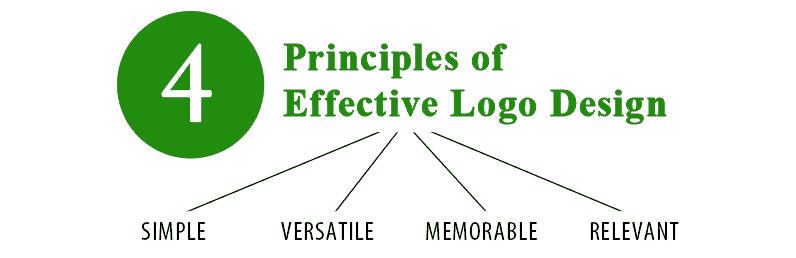
Key Principles of Effective Logo Design
Simplicity
A simple logo is easily recognizable and versatile. It should be straightforward and avoid
unnecessary details.
1. Clear and Concise: A logo should convey the brand message in the simplest form.
2. Scalability: A simple design ensures the logo looks good at any size, from business cards to
billboards.
Memorability
An effective logo should be memorable, making a lasting impression on the audience.
1. Unique Design: A distinctive and original design helps the logo stand out from competitors.
2. Strong Visual Impact: Use bold colors and shapes to create a logo that is easily recalled.
Timelessness: A good logo should withstand the test of time and remain relevant for years to come.
1. Avoid Trends: Design with longevity in mind rather than following fleeting design trends.
2. Classic Elements: Use classic design elements that do not go out of style.
Versatility
An effective logo should work well across various mediums and applications.
1. Multiple Formats: Ensure the logo looks good in different formats, such as print, digital, and
embroidery.
2. Color Variations: Design the logo to work in full color, black and white, and grayscale.
Appropriateness
A logo should be appropriate for its intended audience and reflect the brand’s identity and values.
1. Target Audience: Consider the preferences and expectations of the target audience.
2. Brand Identity: The logo should align with the brand’s overall identity and message.
The Logo Design Process
Research and Discovery
The first step in the logo design process is understanding the brand and its goals.
1. Brand Analysis: Gather information about the brand’s mission, values, and target audience.
2. Competitive Analysis: Study competitors’ logos to identify trends and opportunities for
differentiation.
Concept Development
Develop initial concepts based on the research and brand analysis.
1. Brainstorming: Generate a wide range of ideas and concepts.
2. Sketching: Create rough sketches to visualize different ideas quickly.
Design and Refinement
Transform the best concepts into digital designs and refine them.
1. Vector Design: Use vector graphics software like Adobe Illustrator to create scalable designs.
2. Iteration: Refine the designs through multiple iterations, considering feedback from
stakeholders.
Color and Typography
Choose appropriate colors and typography to enhance the logo’s effectiveness.1. Color Psychology: Select colors that evoke the desired emotions and align with the brand
identity.
2. Typography: Choose fonts that complement the logo design and enhance readability.
Presentation and Feedback
Present the logo concepts to stakeholders and gather feedback.
1. Mockups: Create mockups to show how the logo will look in real-world applications.
2. Feedback: Collect feedback and make necessary adjustments to the design.
Finalization and Delivery
Finalize the logo design and prepare it for various applications.
1. File Formats: Provide the logo in multiple formats (e.g., AI, EPS, PNG, JPG) for different uses.
2. Guidelines: Create a logo usage guide to ensure consistent application across all platforms.
Real-World Case Studies
Nike
1. Overview: The Nike “Swoosh” logo is one of the most iconic logos in the world.
2. Design Process: Created by graphic design student Carolyn Davidson in 1971, the Swoosh
represents motion and speed, reflecting the brand’s focus on athletic performance.
3. Impact: The simple and memorable design has remained virtually unchanged for decades,
contributing to Nike’s strong brand identity.
Apple
1. Overview: The Apple logo is a symbol of innovation and simplicity.
2. Design Process: The original logo, designed by Rob Janoff in 1977, featured a bitten apple to
distinguish it from a cherry and symbolize knowledge.
3. Impact: The clean and modern design has evolved slightly over the years but remains
instantly recognizable, reinforcing Apple’s brand image.
FedEx
1. Overview: The FedEx logo is renowned for its clever use of negative space.
2. Design Process: Designed by Lindon Leader in 1994, the logo features an arrow hidden
between the “E” and “x,” symbolizing speed and precision.
3. Impact: The logo’s simplicity and hidden message have made it a favorite example of
effective logo design.
Starbucks
1. Overview: The Starbucks logo features a siren, reflecting the brand’s origins and maritime
history.2. Design Process: The logo has undergone several redesigns since its creation in 1971,
evolving from a detailed illustration to a simplified version.
3. Impact: The iconic green siren logo is easily recognizable worldwide, symbolizing the brand’s
commitment to quality and heritage.
Best Practices for Logo Design
Understand the Brand
1. Research: Conduct thorough research to understand the brand’s mission, values, and target
audience.
2. Inspiration: Draw inspiration from the brand’s history, culture, and vision.
Keep It Simple
1. Minimalism: Embrace minimalism to create a clean and effective design.
2. Clarity: Ensure the logo is easy to understand at a glance.
Make It Memorable
1. Uniqueness: Create a distinctive design that stands out from competitors.
2. Visual Impact: Use bold elements to make the logo memorable.
Ensure Versatility
1. Scalability: Design the logo to look good at any size.
2. Multiple Versions: Create variations of the logo for different applications (e.g., full color,
monochrome, favicon).
Test in Different Contexts
1. Mockups: Use mockups to see how the logo performs in various real-world scenarios.
2. Feedback: Gather feedback from diverse audiences to identify potential improvements.
Tools for Logo Design
Adobe Illustrator
Features: Industry-standard vector graphics software with powerful design tools.
Use Case: Ideal for creating scalable, professional-quality logos.
CorelDRAW
Features: Comprehensive vector illustration and page layout software.
Use Case: Suitable for designers who need versatile design and layout tools.
Sketch Features: User-friendly interface with features tailored for UI/UX design.
Use Case: Great for digital and web-focused logo design.
Canva
Features: Easy-to-use design tool with a wide range of templates and assets.
Use Case: Perfect for beginners and quick logo design projects.
Inkscape
Features: Free and open-source vector graphics editor.
Use Case: Ideal for those looking for a cost-effective alternative to Adobe Illustrator.


 by Aqib Chaudhary